
Top Gardening Resources for Beginners and Experienced Gardeners
Gardening is one of the most rewarding hobbies you can start. It brings fresh food to your table, beauty to your yard, and a deep sense of accomplishment. But successful gardening doesn’t happen by accident — it happens with the right tools, reliable gardening resources, and a solid seasonal plan.
Whether you're starting your first vegetable garden or refining your raised bed layout, this guide covers the best gardening resources, essential tools, and practical planning tools to help your garden thrive.

Essential Gardening Tools Every Gardener Should Own
The right tools make gardening easier, faster, and more enjoyable. If you're building your toolkit, start with these must-haves:
Perfect for digging small holes, transplanting seedlings, and working in containers. Look for a heavy-duty stainless steel hand trowel with an ergonomic grip like these.
Essential for trimming herbs, cutting back perennials, and harvesting vegetables. A sharp pair of bypass pruning shears will make clean cuts and reduce plant stress.
Great for loosening compacted soil, turning compost, and improving drainage.
Gentle watering prevents damage to seedlings. An adjustable hose nozzle gives you mist-to-stream control for different plants.
Protect your hands from thorns, splinters, and blisters.
Makes moving soil, compost, mulch, and plants much easier.
Useful for smoothing soil and clearing debris before planting.
Invest in quality tools once, and they’ll serve you for years. Cheap tools bend, rust, and frustrate you. Good tools become trusted companions in the garden.
The Top Gardening Resources (That Save You Time)
This is where many gardeners struggle — timing.
Plant too early and frost gets you. Plant too late and yields suffer.
That’s why having a zone-specific seed starting calendar is one of the smartest gardening resources you can use.
Seed Starting Calendars for Zones 4–8
If you garden in Zones 4, 5, 6, 7, or 8, I’ve created printable seed starting calendars with exact indoor and outdoor sowing dates based on your zone.
These calendars help you:
Know exactly when to start seeds indoors
Plan direct sowing outdoors
Avoid frost damage
Stagger plantings for continuous harvest
You can find them here.
When you follow a real planting schedule, gardening becomes far less stressful — and far more productive.

Companion Planting Made Simple
Another high-impact gardening resource? A clear companion planting guide.
Companion planting helps you:
Improve pollination
Reduce pests naturally
Maximize garden space
Increase yields
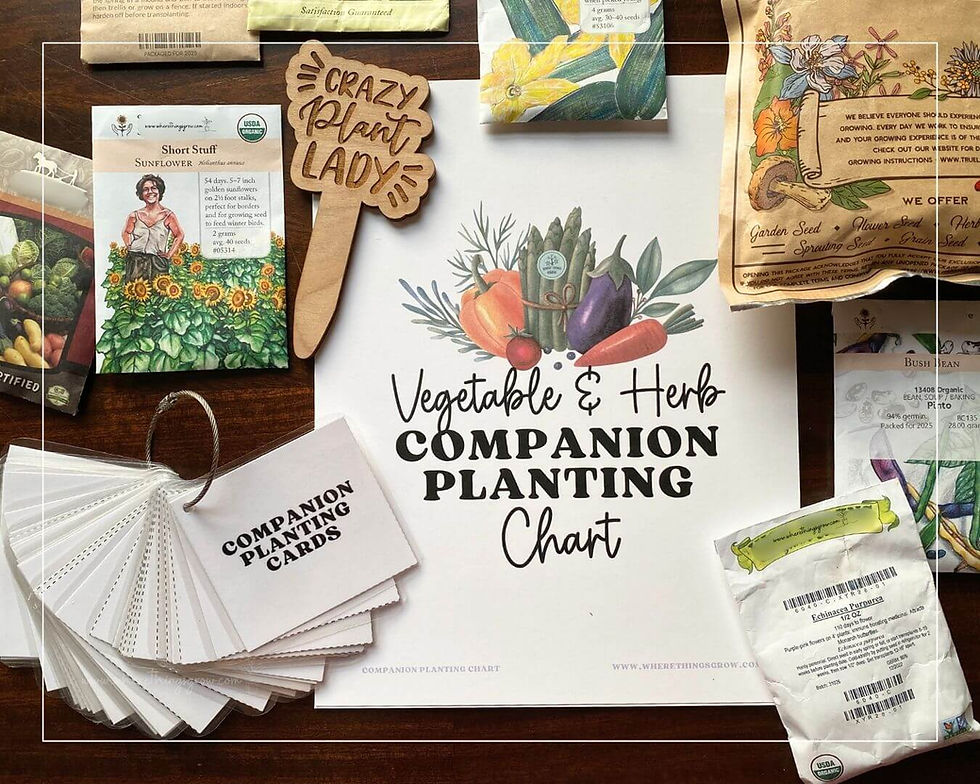
My Companion Planting Guide breaks down which vegetables grow well together and which combinations to avoid — in a simple, printable format you can keep in your garden planner.
If you’re growing tomatoes, peppers, cucumbers, beans, or herbs, this is a game changer.
Grab all of our printable garden planners here.
Where to Find Reliable Gardening Information Online
Not all gardening advice is created equal. Focus on trustworthy sources such as:
University extension websites
Local master gardener programs
Established gardening blogs
Plant databases
Gardening books with strong reviews
Video tutorials can also be helpful for:
Seed starting techniques
Pruning methods
Raised bed setup
Composting basics
But always cross-check advice with your local growing zone — what works in Florida won’t work the same in Virginia or Minnesota.
Free Gardening Resources You Shouldn’t Overlook
Gardening doesn’t have to be expensive. These top gardening resources will help you along the way!
Here are smart ways to grow your garden for free:
Seed swaps
Local garden clubs
Community compost programs
Facebook gardening groups
Plant cuttings from friends
Library seed banks
Many libraries now offer seed exchanges — it’s an old-fashioned system that still works beautifully.
How to Choose the Right Plants for Your Garden
Before you buy seeds or plants, consider:
Sunlight
Do you have full sun (6+ hours), partial sun, or shade?
Soil Type
Sandy, clay, or loamy? Amending soil with compost improves nearly everything.
Water Needs
Group plants with similar watering needs together.
USDA Hardiness Zone
Your zone determines what survives winter and when you can safely plant. Find your garden zone here.
If you’re unsure of your timing, refer back to your seed starting calendar — it keeps everything aligned.
Year-Round Garden Maintenance Tips
Healthy gardens require consistent care:
Water deeply but less often
Use mulch to retain moisture and reduce weeds
Prune regularly
Monitor for pests
Feed soil with compost
Clean up beds seasonally
Simple routines prevent big problems.
Additional Printable Gardening Resources
If you like organized systems (and let’s be honest — they make life easier), check out these printable gardening tools:
Garden planners
Raised bed layout sheets
Seed inventory trackers
Companion planting charts
Seasonal checklists
They’re designed to be practical, simple, and easy to use — not overwhelming.
Final Thoughts: Build Your Garden with Confidence
Gardening success isn’t about having a perfect yard. It’s about having the right information, the right tools, and a realistic plan.
Start with:
Quality hand tools
A zone-specific seed starting calendar
A companion planting guide
A simple garden plan
Take it one season at a time.


Comments